

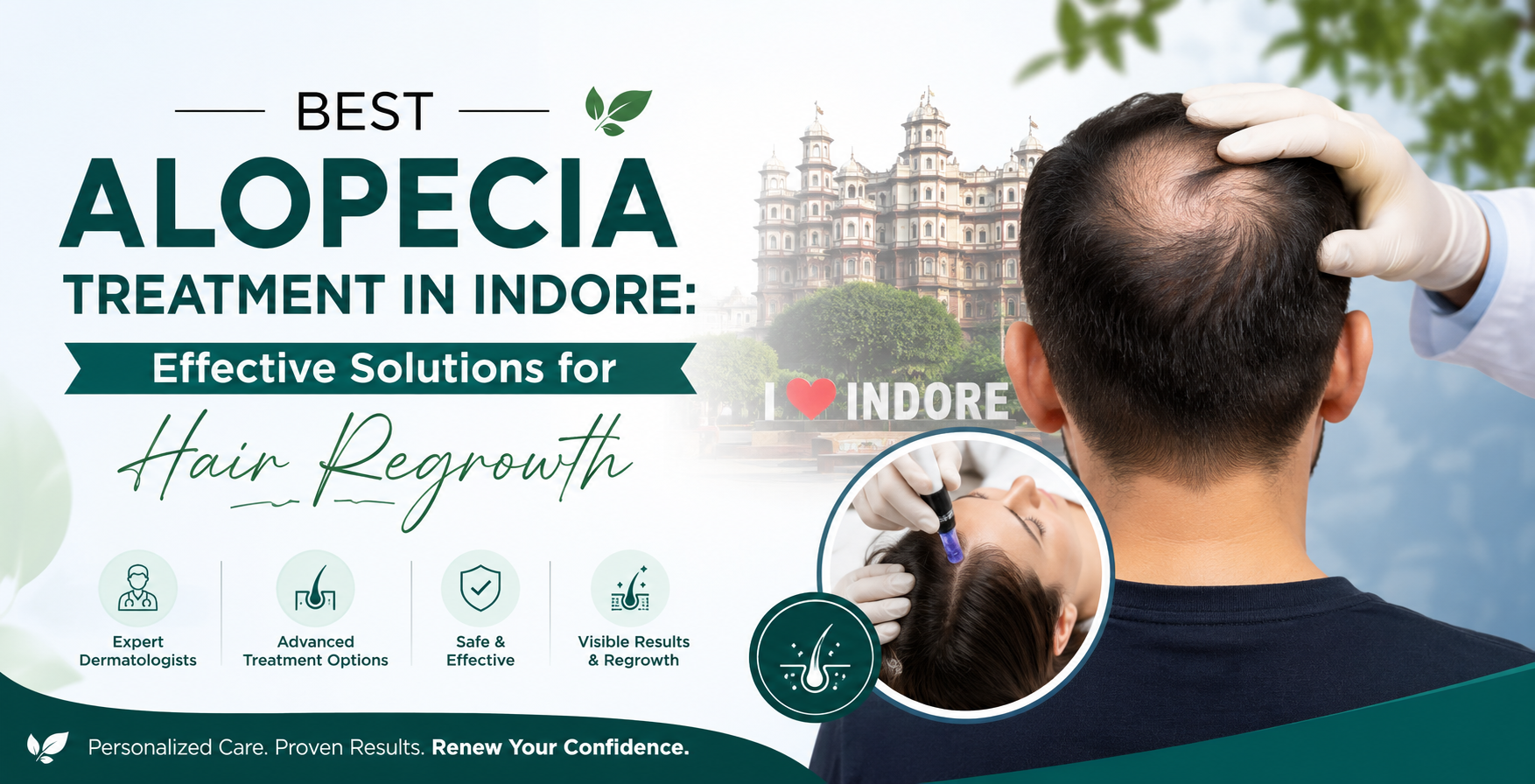
Hair loss can affect anyone, regardless of age or gender. While losing a few strands of hair daily is normal, excessive hair fall that leads to visible bald patches may indicate a condition known as alopecia. This condition can significantly impact self-confidence and emotional well-being. Fortunately, with advancements in hair restoration technology and medical treatments, individuals can now access effective solutions for managing and treating alopecia.
If you are searching for the best alopecia treatment in Indore, understanding the causes, symptoms, and available treatment options can help you make an informed decision about restoring your hair and confidence.
What is Alopecia?
Alopecia is a medical condition that causes hair loss from the scalp or other parts of the body. The severity of the condition varies from person to person. Some individuals experience small bald patches, while others may face extensive hair loss.
Hair follicles are responsible for producing hair. In alopecia, these follicles may become damaged, inactive, or attacked by the body’s immune system, resulting in hair thinning and hair loss.
Common Types of Alopecia
1. Alopecia Areata
This is an autoimmune condition where the immune system mistakenly attacks healthy hair follicles, causing patchy hair loss on the scalp.
2. Androgenetic Alopecia
Commonly known as male pattern baldness or female pattern hair loss, this condition is often hereditary and develops gradually over time.
3. Alopecia Totalis
A more advanced form of alopecia areata that leads to complete hair loss on the scalp.
4. Alopecia Universalis
This rare condition results in complete hair loss across the entire body, including eyebrows, eyelashes, and beard hair.
5. Traction Alopecia
Caused by excessive pulling of hair due to tight hairstyles, extensions, or repeated styling practices.
Causes of Alopecia
Several factors can contribute to alopecia, including:
- Genetic predisposition
- Autoimmune disorders
- Hormonal imbalances
- Nutritional deficiencies
- Stress and anxiety
- Thyroid disorders
- Scalp infections
- Certain medications and medical treatments
- Excessive hair styling and chemical treatments
Identifying the root cause is essential for determining the most suitable treatment plan.
Symptoms of Alopecia
The symptoms can vary depending on the type of alopecia. Common signs include:
- Sudden hair loss
- Circular or patchy bald spots
- Gradual thinning on the scalp
- Receding hairline
- Excessive hair shedding during washing or combing
- Loss of eyebrows or eyelashes
- Weak or brittle hair
Early diagnosis can improve treatment outcomes and help prevent further hair loss.
Why Seek Professional Alopecia Treatment?
Many people initially try home remedies or over-the-counter products to manage hair loss. However, alopecia often requires a professional diagnosis and customized treatment plan.
Professional treatment offers:
- Accurate identification of the underlying cause
- Personalized treatment recommendations
- Advanced hair restoration solutions
- Monitoring of treatment progress
- Improved chances of successful hair regrowth
Seeking expert care can help address the condition effectively and minimize long-term hair loss.
Best Alopecia Treatment Options in Indore
Modern clinics provide a range of advanced treatments designed to address different types and stages of alopecia.
PRP Therapy (Platelet-Rich Plasma)
PRP therapy is one of the most popular non-surgical hair restoration treatments. It involves extracting a small amount of the patient’s blood, processing it to concentrate platelets, and injecting the platelet-rich plasma into the scalp.
Benefits include:
- Stimulates natural hair growth
- Improves hair density
- Strengthens hair follicles
- Minimally invasive procedure
- Little to no downtime
PRP is particularly effective for individuals experiencing early-stage hair thinning and androgenetic alopecia.
GFC Hair Treatment
Growth Factor Concentrate (GFC) therapy utilizes concentrated growth factors derived from the patient’s blood to rejuvenate hair follicles and encourage hair regrowth.
Advantages include:
- Enhanced follicle nourishment
- Reduced hair fall
- Improved scalp health
- Safe and natural treatment
Medications and Topical Treatments
Depending on the cause of alopecia, specialists may recommend clinically approved medications or topical solutions to slow hair loss and promote regrowth.
These treatments are often combined with other therapies for better results.
Hair Transplant Surgery
For individuals with advanced hair loss or permanent bald patches, hair transplant procedures can provide a long-term solution.
Common techniques include:
FUE (Follicular Unit Extraction)
Individual hair follicles are extracted from the donor area and implanted into thinning or bald regions.
FUT (Follicular Unit Transplantation)
A strip of scalp containing healthy hair follicles is harvested and transplanted to affected areas.
Benefits of hair transplant include:
- Natural-looking results
- Permanent hair restoration
- Minimal maintenance
- Improved hair density
Hair Patch and Non-Surgical Hair Replacement
For individuals who may not be suitable candidates for surgery, non-surgical hair replacement systems offer immediate cosmetic improvement.
These customized solutions:
- Blend naturally with existing hair
- Require no surgery
- Provide instant results
- Are suitable for both men and women
Scalp Micropigmentation
Scalp micropigmentation creates the appearance of fuller hair by depositing specialized pigments into the scalp.
This treatment is particularly beneficial for:
- Receding hairlines
- Thinning hair
- Scar concealment
- Creating a closely shaved look
How to Choose the Best Alopecia Treatment in Indore
Selecting the right treatment depends on several factors, including:
Severity of Hair Loss
Mild hair thinning may respond well to PRP or medications, while advanced hair loss may require transplantation.
Benefits of Early Alopecia Treatment
The sooner treatment begins, the better the chances of preserving existing hair and stimulating regrowth.
Early intervention can:
- Slow down hair loss progression
- Protect healthy follicles
- Improve treatment effectiveness
- Reduce the need for extensive procedures
- Boost self-confidence
Ignoring symptoms may lead to more severe hair loss that becomes harder to reverse.
Tips to Support Healthy Hair Growth
In addition to professional treatment, maintaining a healthy lifestyle can support hair health.
- Follow a balanced diet rich in protein and vitamins
- Stay hydrated
- Manage stress effectively
- Avoid excessive heat styling
- Use gentle hair care products
- Get regular scalp checkups
- Address underlying medical conditions promptly
These habits can complement medical treatments and improve overall results.
Conclusion
Alopecia can be a challenging condition, but effective treatment options are available. Whether you are experiencing patchy hair loss, thinning hair, or advanced baldness, modern hair restoration techniques can help restore both your hair and confidence.
If you are looking for the best alopecia treatment in Indore, choosing a clinic that offers comprehensive diagnosis, personalized treatment plans, and advanced hair restoration solutions is essential. Early consultation and timely treatment can significantly improve outcomes and support long-term hair health.
Frequently Asked Questions (FAQs)
Q. Can alopecia be permanently cured?
Ans: The outcome depends on the type and cause of alopecia. Some forms can be effectively managed, while others may require ongoing treatment to maintain results.
Q. Is PRP therapy effective for alopecia?
Ans: Yes. PRP therapy can help stimulate dormant hair follicles, reduce hair fall, and improve hair density, particularly in the early stages of hair loss.
Q. How long does it take to see results from alopecia treatment?
Ans: Most patients begin noticing improvements within a few months, although timelines vary depending on the treatment method and individual response.
Q. Is a hair transplant suitable for alopecia patients?
Ans: Hair transplantation may be suitable for certain types of alopecia, especially when healthy donor hair is available and hair loss has stabilized.
Q. Which treatment is best for patchy hair loss?
Ans: The ideal treatment depends on the underlying cause. PRP therapy, medications, and other targeted therapies are commonly recommended after a professional evaluation.